
Master Organic Healthy Cooking Techniques
Learn the fundamental methods and approaches to preparing wholesome, nutrient-rich meals using organic ingredients. Discover how proper cooking techniques preserve flavor, texture, and the natural goodness of every ingredient.
The information on this site is for educational purposes only and does not constitute medical advice. Always consult a qualified healthcare professional before making health decisions.
Why Learn Organic Cooking Methods
Organic cooking techniques go beyond simply using organic ingredients. They represent a holistic approach to food preparation that respects the integrity of every ingredient while maximizing nutritional value and flavor complexity.
Whether you're a home cook looking to elevate everyday meals or someone committed to understanding the science behind healthy food preparation, our comprehensive approach covers everything you need to know.
- Preserve Nutrients: Learn methods that maintain vitamins and minerals throughout cooking
- Enhance Flavor: Discover how proper techniques bring out natural taste profiles
- Seasonal Cooking: Master techniques tailored to different ingredients and seasons
- Sustainable Practices: Reduce waste and use whole ingredients efficiently
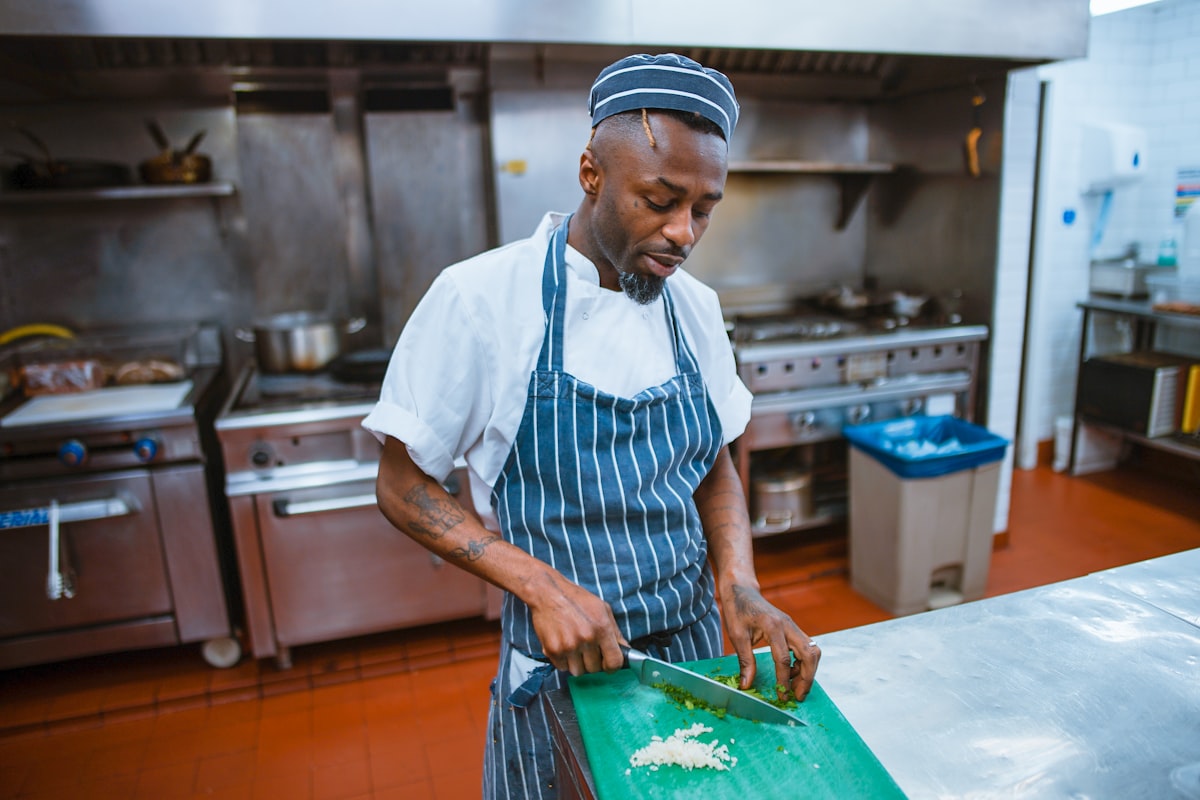
Core Techniques You'll Master
Our curriculum focuses on fundamental cooking methods that form the foundation of healthy organic cuisine. Each technique is explored in depth with practical applications.
Low-Temperature Cooking
Master gentle heat methods including steaming, poaching, and slow cooking that preserve heat-sensitive nutrients while developing deep, complex flavors. Learn how to achieve perfect doneness without overcooking delicate ingredients.
Water-Based Methods
Explore boiling, simmering, and blanching with techniques to minimize nutrient loss. Understand how cooking times and water temperature affect different vegetables, grains, and proteins for optimal results.
Dry-Heat Roasting
Learn the art of roasting vegetables, grains, and proteins at controlled temperatures. Discover how proper oven techniques caramelize natural sugars and create nutritious, flavorful dishes without added fats.
Stir-Frying and Sautéing
Master quick-cooking techniques that maintain ingredient integrity and nutritional density. Learn oil selection, heat management, and timing to create vibrant, quick meals with maximum flavor and minimal nutrient loss.
Raw Preparation
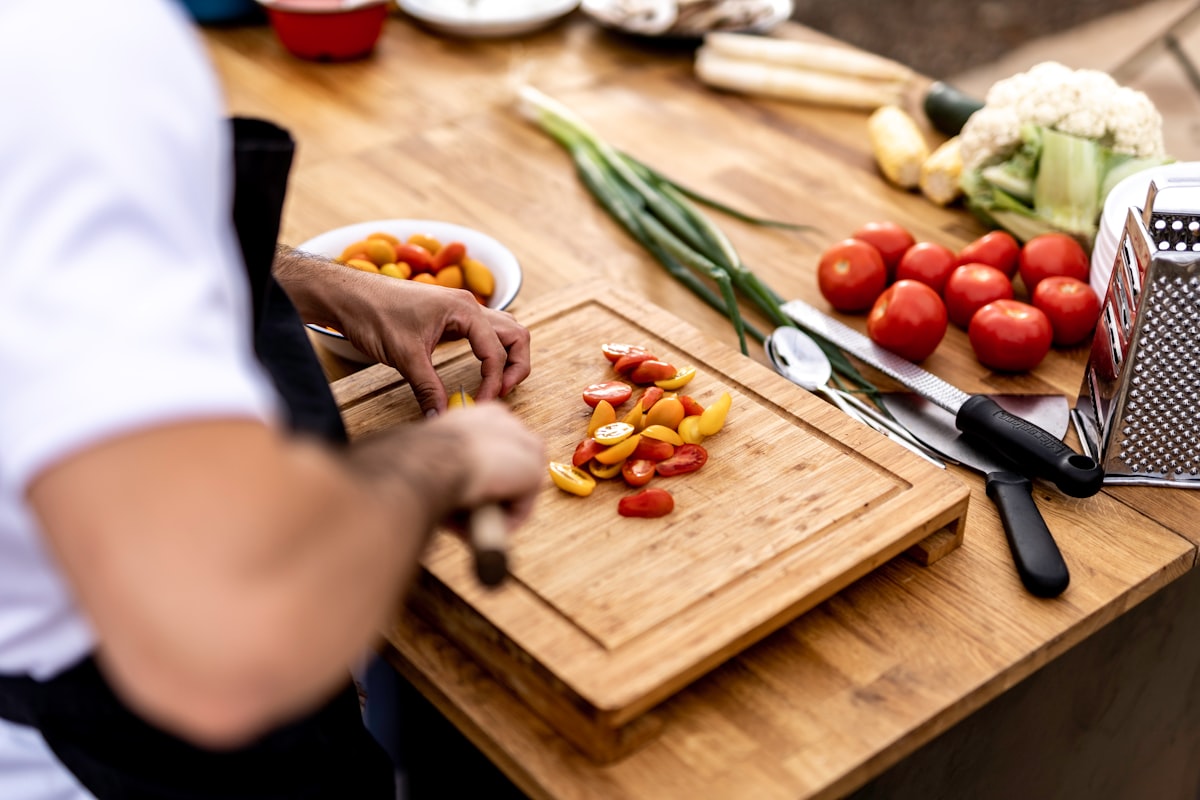
Explore techniques for preparing raw vegetables, fruits, and sprouted ingredients. Master knife skills, proper storage, and preparation methods that maximize enzyme activity and nutrient availability.
Fermentation and Culturing
Learn ancient preservation techniques that enhance digestibility and introduce beneficial microorganisms. Create fermented vegetables, cultured dairy products, and sprouted grains at home.
Your Learning Journey in Five Steps
Our structured approach takes you from fundamentals to confident home cooking, building skills progressively with hands-on knowledge.
Foundation: Understanding Ingredients
Begin by learning how to select, store, and prepare organic ingredients. Understand the nutritional profile of vegetables, grains, legumes, and proteins. Master basic knife skills and equipment handling that form the foundation of all cooking.
Exploration: Core Cooking Methods
Progress through each major cooking technique, understanding the science behind temperature, timing, and ingredient interaction. Practice with different ingredient types to develop intuition and flexibility in your cooking approach.
Application: Recipe Development
Apply learned techniques to complete recipes that combine multiple methods. Learn to adapt recipes seasonally and based on ingredient availability. Understand flavor balancing and how to modify dishes for different preferences and needs.
Integration: Meal Planning
Learn how to plan balanced meals that incorporate various techniques throughout the week. Master batch preparation, efficient kitchen workflows, and how to prepare wholesome food with minimal waste and maximum efficiency.
Mastery: Confident Home Cooking
Develop confidence to cook intuitively, adapt recipes creatively, and teach others. Create a personal cooking style that reflects your values and lifestyle while maintaining the principles of wholesome organic cooking.
Culinary Inspiration Gallery
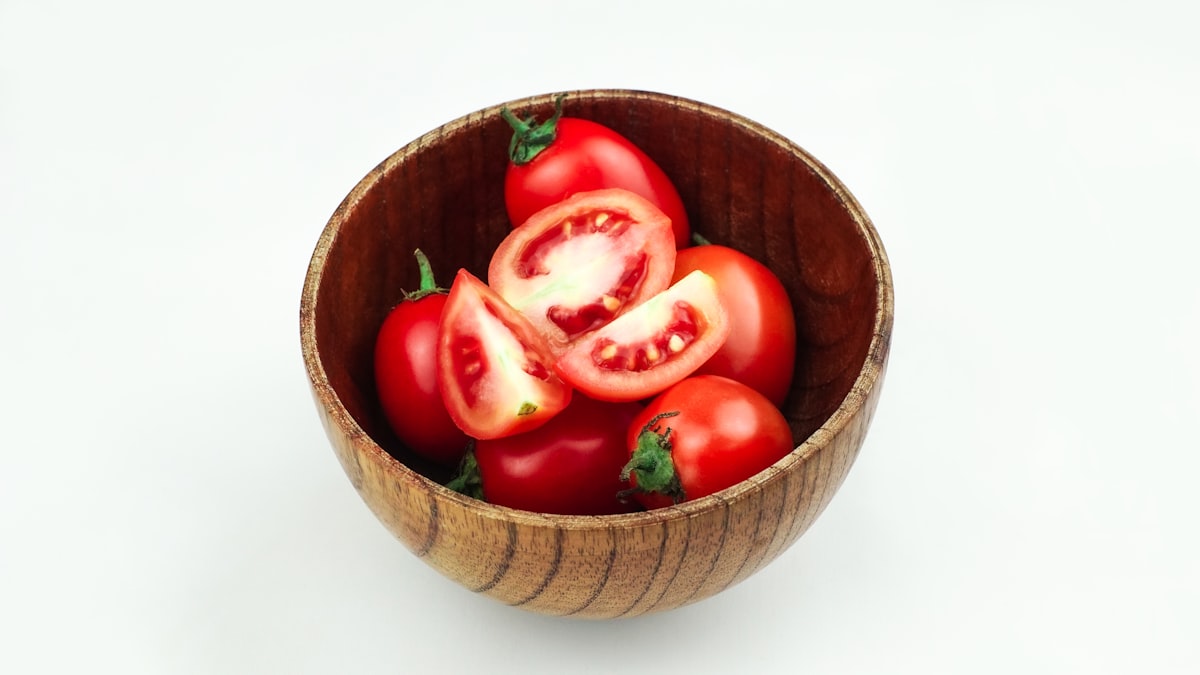
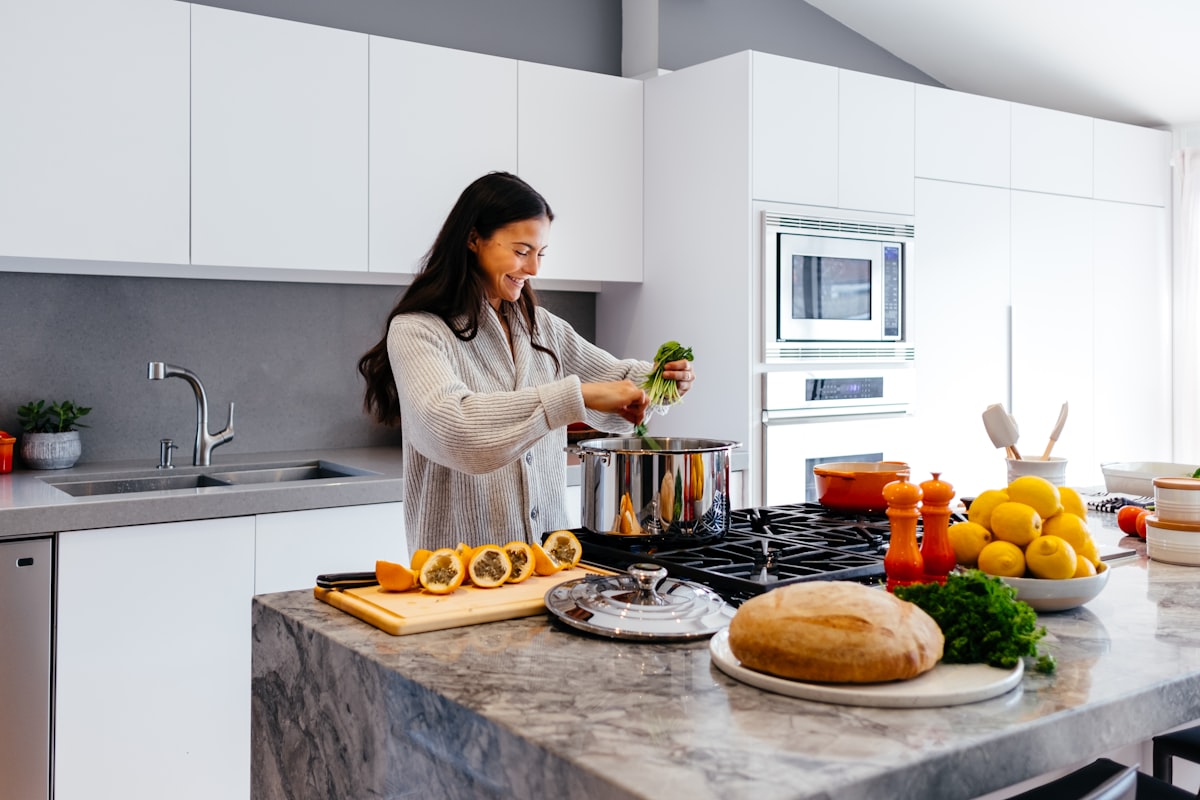
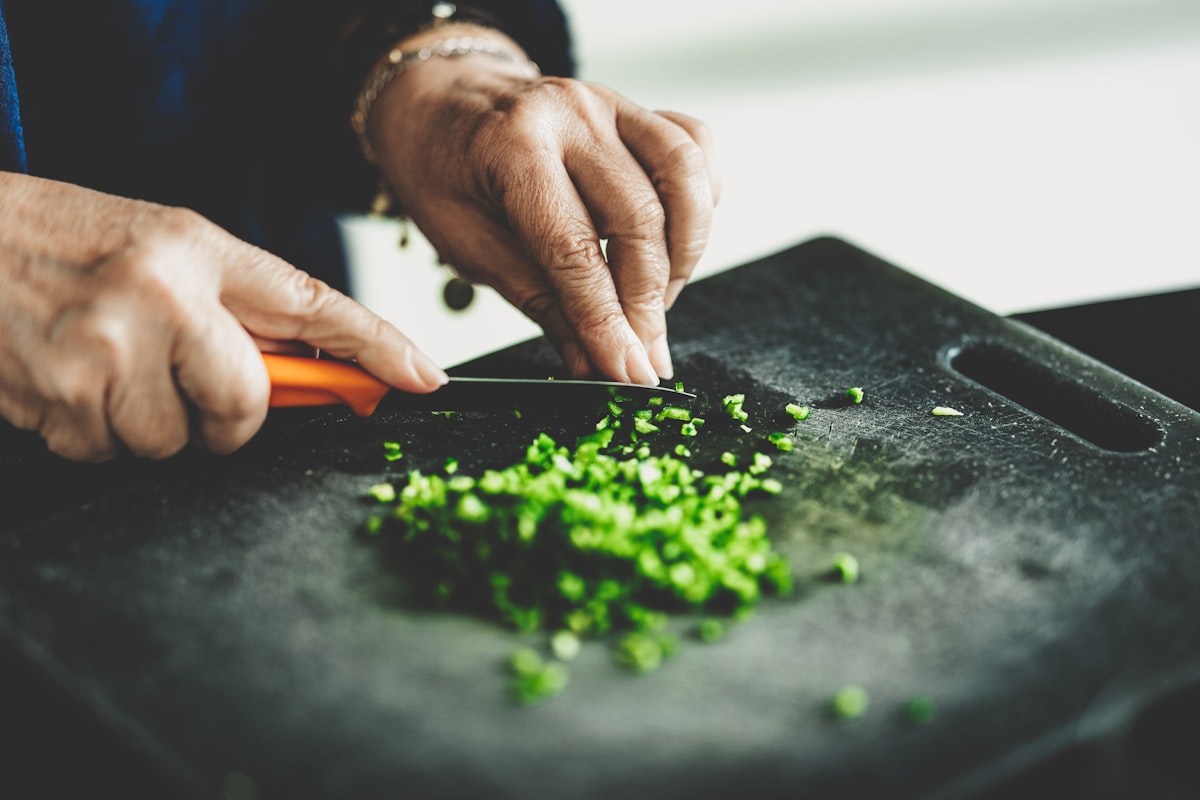
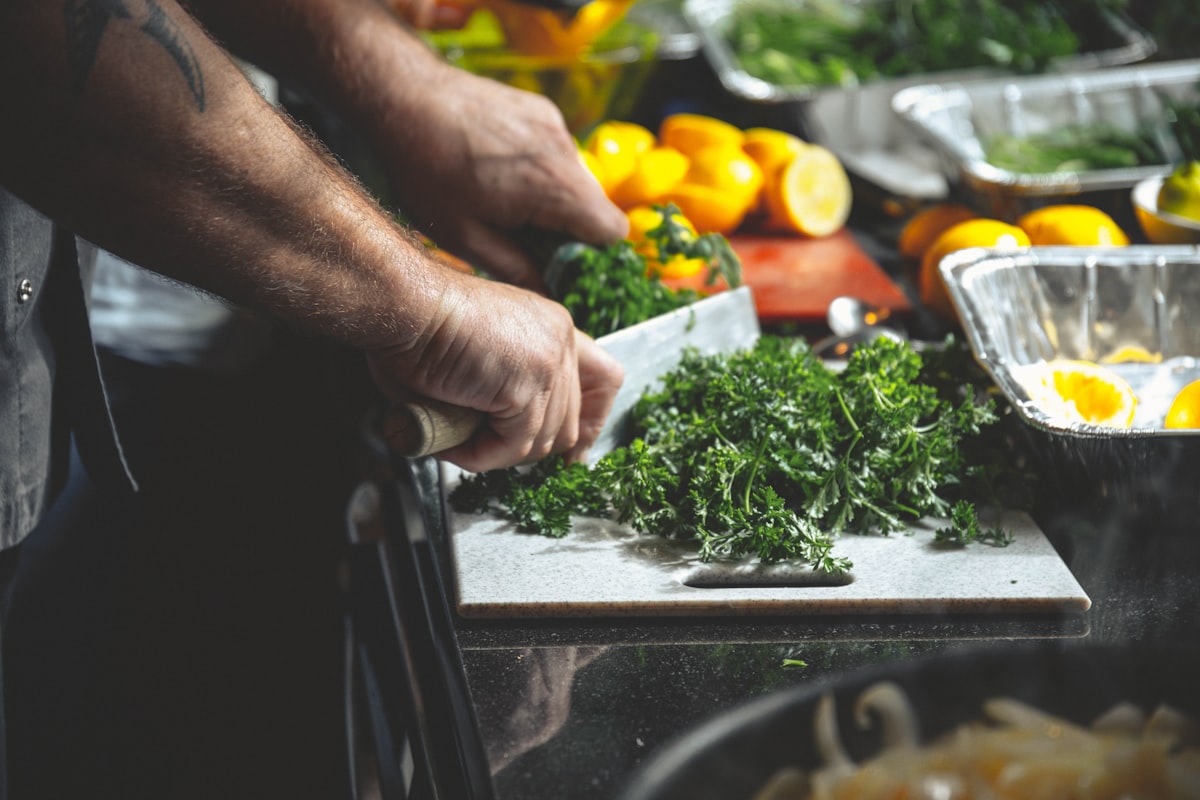
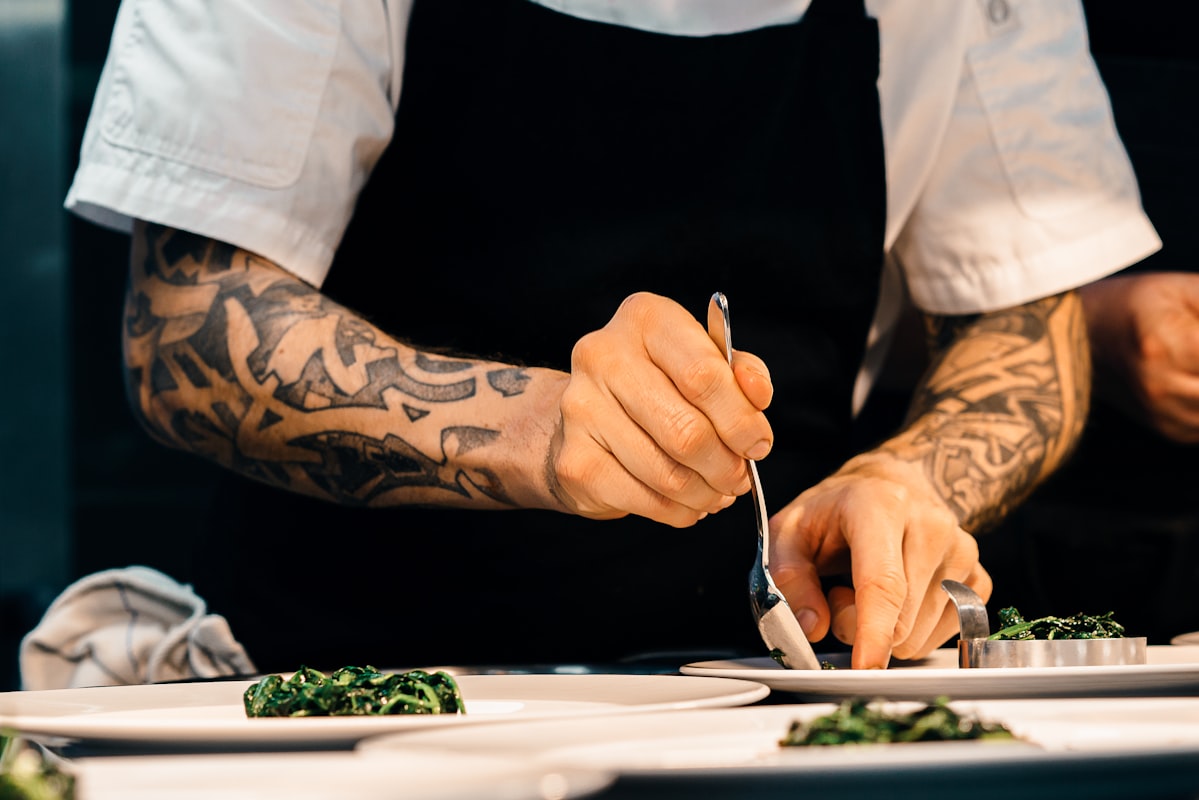
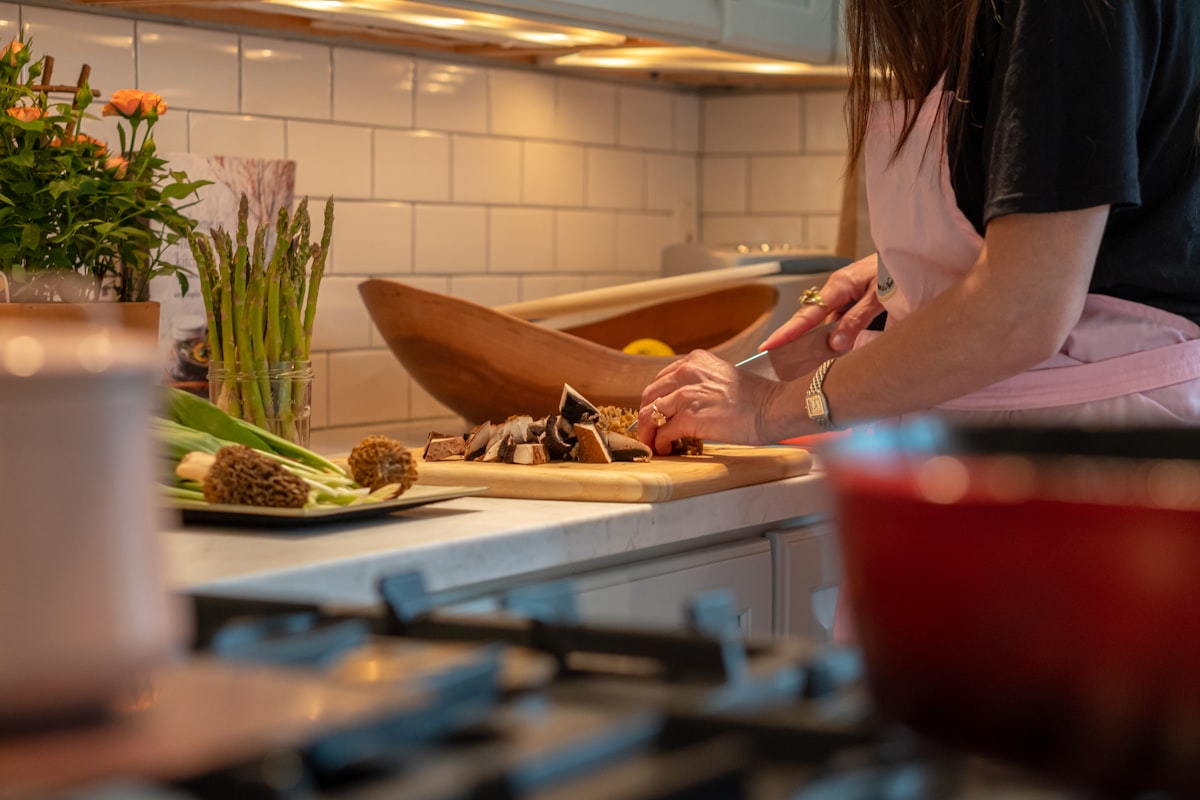
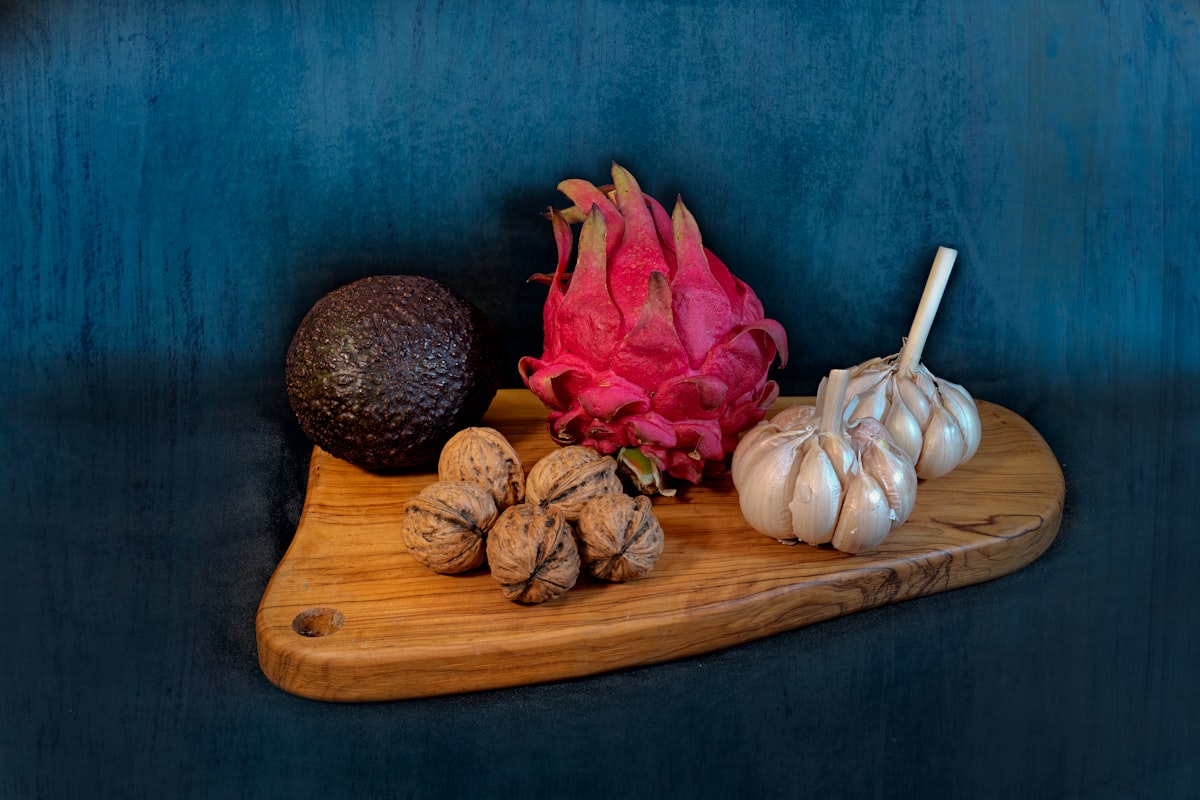
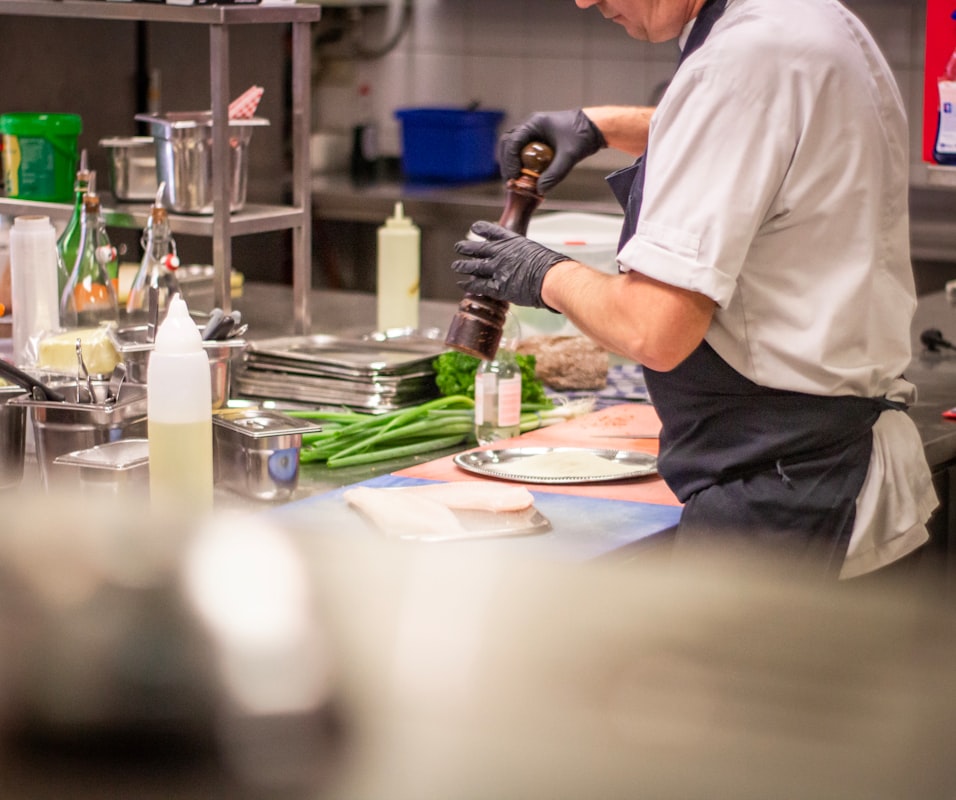
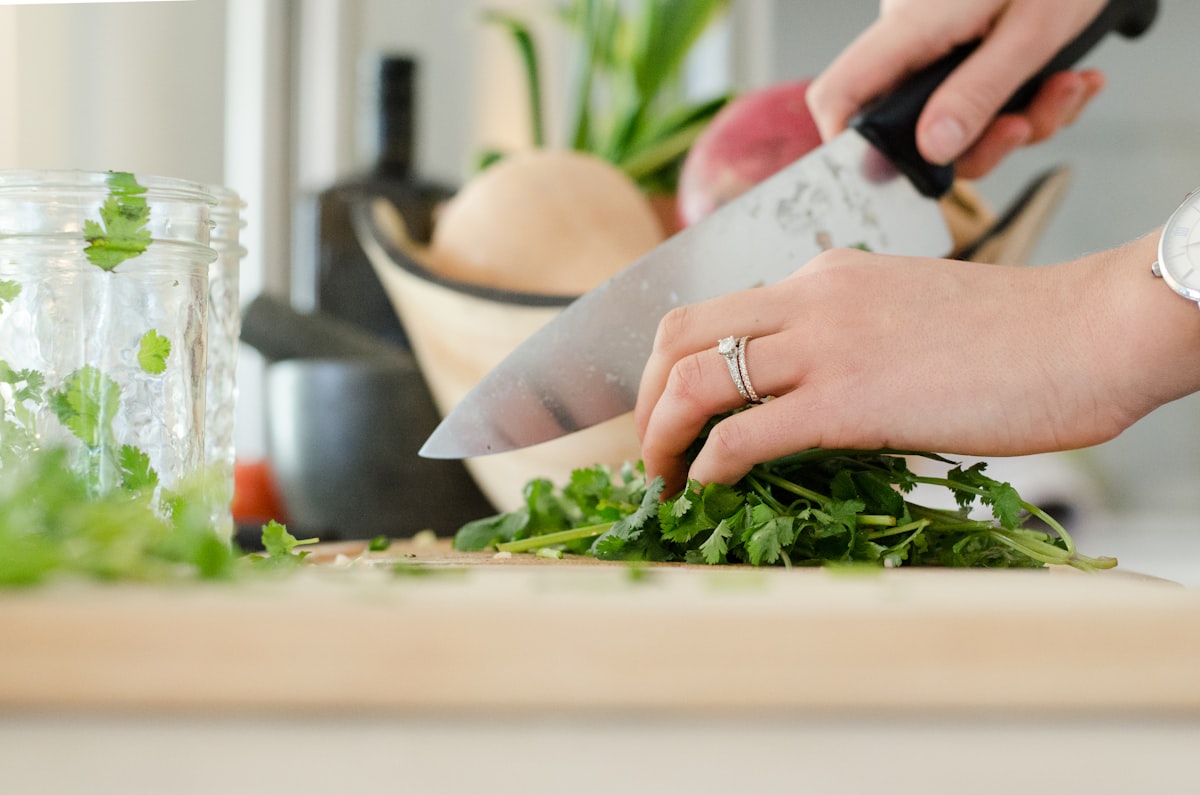
Explore the visual journey of organic cooking techniques in action. These images showcase the colors, textures, and beauty of wholesome ingredients prepared with care.
In-Depth Technique Breakdown
Each cooking method is explored in comprehensive detail, covering theory, practical application, and ingredient-specific variations.
Steaming and Poaching
Gentle heat methods that preserve delicate flavors and heat-sensitive nutrients. Steaming uses dry heat with moisture, while poaching involves cooking in liquid at gentle temperatures.
- Equipment: bamboo steamers, stainless steel steamers, specialized poaching vessels
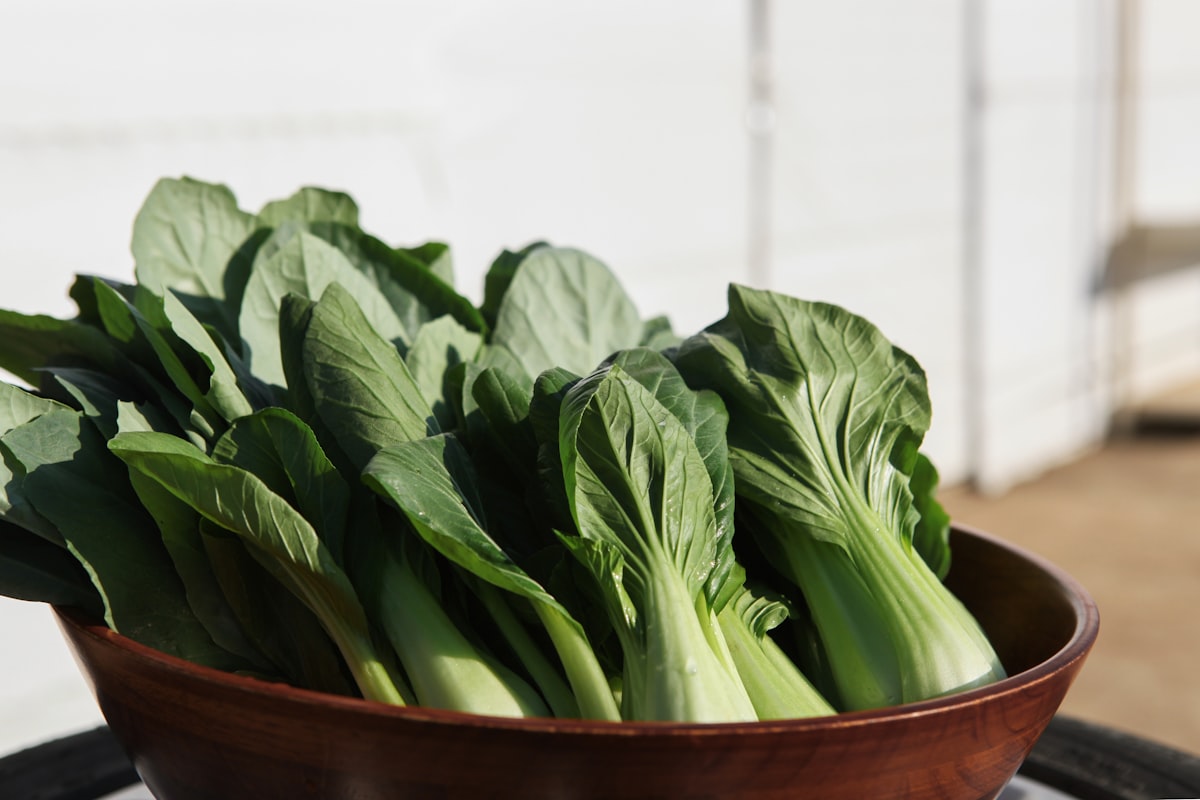
- Best for: fish, delicate vegetables, eggs, dumplings, leafy greens
- Temperature: 160-180°F (70-82°C) for water, steam around 212°F (100°C)
- Timing: varies by ingredient thickness, typically 5-15 minutes
Dry-Heat Roasting
A dry-heat cooking method using an oven to cook ingredients at higher temperatures. Roasting caramelizes natural sugars and creates complex flavors without added cooking medium.
- Temperature: 375-425°F (190-220°C) depending on ingredient
- Best for: root vegetables, cruciferous vegetables, proteins, nuts, seeds
- Even spacing: arrange ingredients in single layer for consistent cooking
- Timing: 20-45 minutes depending on size and ingredient type
Stir-Frying and Quick Sautéing
Rapid-cooking techniques using high heat and constant movement. These methods create vibrant, nutrient-dense dishes while maintaining ingredient texture and color integrity.
- Equipment: wok, large skillet, high-heat cooking vessels with sloped sides
- Oil selection: high-smoke-point oils like sesame, safflower, avocado
- Temperature: medium-high to high heat (400-500°F / 200-260°C)
- Timing: 5-10 minutes total, with continuous stirring and movement
Technique Comparison and Benefits
Understanding the specific advantages of each cooking method helps you choose the right technique for your ingredients and desired outcomes.
| Technique | Nutrient Retention | Flavor Development | Time Required | Best Uses |
|---|---|---|---|---|
| Steaming | Excellent — minimal water contact | Subtle — preserves original taste | Quick — 5-15 min | Delicate vegetables, fish, leafy greens |
| Poaching | Very Good — gentle heat | Moderate — infuses broth flavors | Medium — 10-25 min | Eggs, fish, proteins, dumplings |
| Roasting | Good — some loss at high heat | Excellent — caramelization | Medium — 20-45 min | Root vegetables, cruciferous vegetables |
| Stir-Frying | Very Good — quick cooking | Very Good — high-heat browning | Very Quick — 5-10 min | Mixed vegetables, quick meals |
| Simmering | Good — prolonged extraction | Excellent — deep, complex flavors | Long — 30 min to hours | Soups, broths, stews, grains |